A line of boats can make a waterfront afternoon feel wonderfully open. Yet a marina walk is easier to enjoy when the way back is clear. The water may remain in sight while a gate, basin or long pier puts reception much farther away than it looks. Think about the final part of the outing before choosing the first viewpoint, especially when dinner or a performance matters later.
Start with an entrance you can identify
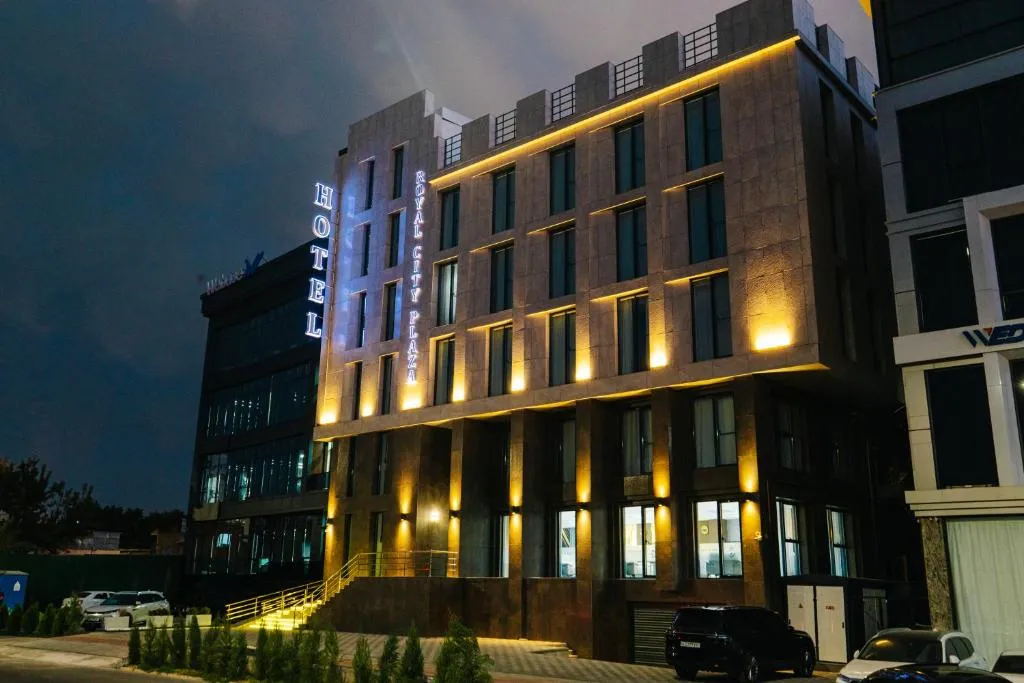
Ivory Marina Hotel’s introduction evokes a waterfront boulevard and marina district. Those words establish atmosphere, but they do not provide a complete walking map. Before a trip in 2026, confirm the arrival address and ask which entrance pedestrians should use. A vehicle entrance, restaurant door and hotel reception can lead to different places; a familiar building name alone may leave that detail unresolved.
Look for the route that connects real public access points. A waterside path on a photograph may run through a private berth area, and a straight line across a basin is not a walking distance. Save the address and a simple map while you have a connection. If the description and your booking confirmation disagree, settle the difference before setting out rather than choosing whichever image feels more convincing.
Questions worth asking before you leave
- Which public entrance leads back to reception?
- Does the proposed path involve gates, steps or an exposed pier?
- Where could you shorten the outing without crossing restricted space?
Choose the return before the longest detour
Time the route around the slowest comfortable pace in your group. Browsing boats, taking photographs and stopping for a drink are part of an afternoon, not delays to erase. Keep a shorter option that still feels like an outing. If wind or rain changes the mood, turning back early can preserve the rest of the day without turning a pleasant walk into a rushed journey through unfamiliar streets.
| Plan | Useful detail |
|---|---|
| Short waterfront loop | Identify the turn back and the public entrance. |
| Longer harbour detour | Check the full land route and a way to stop early. |
Transport can be a fallback only when you know how to arrange it. Do not assume a waiting car, a boat connection or a late service exists because the district looks busy. Ask about current options for your actual date and keep the answer separate from an old travel post. A modest plan with confirmed details is more useful than an ambitious route supported by a beautiful but undated photograph.
- Save the destination address and the agreed return point.
- Choose a turning time that leaves a comfortable margin.
- Tell companions when the plan changes, before splitting up.
Let the walk end before the evening begins
Returning to the building is only one step. You may want to change shoes, dry a coat or sit quietly before going out again. Leave room for those ordinary needs instead of treating the restaurant door as the finish line. Our article on waterfront dinner plans considers the next part of that transition, including companions who want different things after the meal.
A room can also change the pace of the return. A pleasant view does not tell you whether there is somewhere to put wet clothing or rest away from evening noise. The marina view room questions offer a way to read those details before booking. None of this needs a rigid timetable; the aim is simply to avoid spending the final hour catching up with your own plans.
Author’s opinion
I would choose a shorter marina walk with an obvious way home over a longer route that depends on guesses. The pleasure is in looking around, not proving how far you went. For me, a good return plan protects that freedom: it leaves space to pause by the water and enough energy to decide what kind of evening actually feels welcome.